A Bag’s Second Act: When Your Herbal Cup Still Has Something to Give
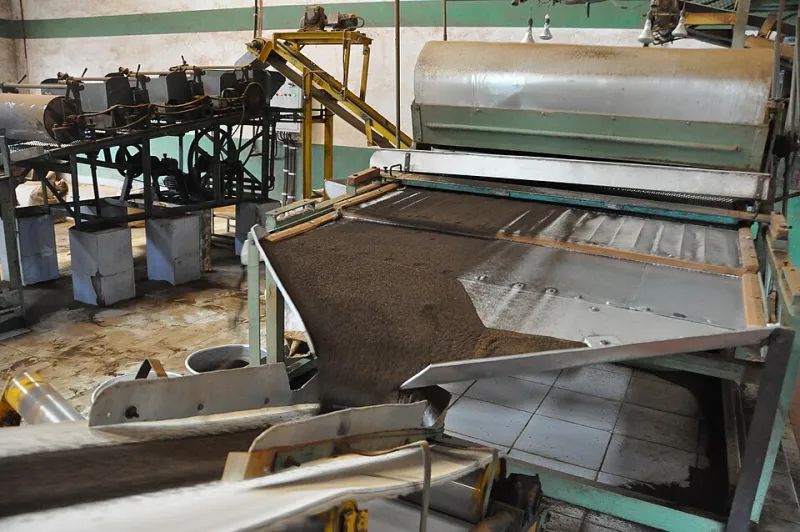
Photo: shankar s. from Dubai, united arab emirates, CC BY 2.0, via Wikimedia Commons
Most of us have done it: the kettle clicks off, you lift a peppermint or chamomile bag out of the mug, and wonder whether it has one more cup left in it. In the UK we are a nation of tea-round pragmatists, so reusing a bag feels almost instinctive. The good news is that it is not reckless. The more honest news is that it is not a free lunch either. A second steep is usually weaker, sometimes perfectly pleasant, and occasionally a bitter little reminder that plants are complicated.
What the second steep is actually doing
When you pour hot water over a herbal tea bag, you are not brewing a single magical ingredient. You are coaxing out a mix of sugars, acids, aromatic oils, colour compounds and, in some plants, tannins and other astringent bits. The first steep does most of that work. The second is working with what is left — think of it as rinsing a teapot rather than brewing a fresh pot.
That does not mean the second cup is worthless. It means it is different. Fine-cut tea bags, which most supermarket herbal bags use, release their flavour quickly. That makes the first cup convenient and the second cup thin. Larger pieces of leaf, seed or root may give a little more on round two because the water has to work harder to get at them. Water temperature matters too. A lukewarm second pour will not do much for a dense root; freshly boiled water gives it a better chance.
This is not a chemistry exam, though. The useful test is your tongue. If the second cup tastes soft and pleasant, fine. If it tastes like warm hay with a hint of disappointment, stop there.
Herbs that tend to hold up — and those that don’t
There are no universal rules, because a tea bag is not a lab sample. But some herbs are more forgiving than others.
Peppermint often gives a decent second cup, though the bright, cooling top note fades first. Chamomile is more delicate: the floral sweetness can turn flat quite quickly, and a long second steep may bring out a dull, straw-like taste. Fennel seed is sturdier and can offer a gentle aniseed echo on the second round. Dried ginger can still have some warmth left, especially if the bag is not too finely powdered. Nettle tends to be earthy and steady, though the second cup will be milder. Rooibos and honeybush are usually relaxed about a second steep and can stay smooth.
Fruit tisanes are a mixed bunch. The sweeter, berry-heavy blends often fade fast and can taste watery or slightly sharp on round two. Blends that include black tea, green tea or matcha deserve a special note: they are not caffeine-free just because the box says ‘herbal blend’. If caffeine matters to you, check the ingredients and treat the second cup as a weaker tea, not a guaranteed caffeine-free one.
Bitterness is a signal, not a challenge
A second cup can turn bitter for a few reasons. If the first steep was left for a very long time, you may have already pulled out a lot of astringent compounds, and the second can taste hollow and harsh. If you squeeze the bag hard, you can add a rough edge. If you steep the second cup for ten minutes hoping to force flavour out, you may get exactly what you asked for: a strong, stewed taste with no charm.
A sensible approach is to give the second cup fresh boiling water and a slightly longer sit — perhaps four to six minutes rather than three to five — then taste it. Do not chase a medicinal dose from a spent bag. If you are using a herbal tea for a specific reason, a fresh bag is the more reliable choice. For general comfort and ritual, a second cup is fine.
Hygiene comes before thrift
Reusing a bag within the same sitting is one thing. Leaving a damp bag on the counter for hours and then brewing it again is another. Warm, wet plant material is not a great place to linger. Use a clean mug, wash your hands, and if you want to save a bag for later, put it in a small covered container in the fridge and use it within a day. Reheat it with fresh hot water, not by topping up the old mug.
Be more cautious if the bag has had milk, sweetener, lemon or fruit pieces in the cup. Those additions give microbes more to work with. If you have been unwell, or if the bag smells off, looks slimy, or has been sitting in a warm flask, start again with a fresh one. Thrift is lovely; a sour stomach is not.
The composting note
Reusing a bag once or twice is a small sustainability win, but the bag itself still has to go somewhere. Check what it is made of. Some UK tea bags are now plastic-free and certified for home composting; others still contain plastic mesh or have staples. If your council accepts food waste, that may be the simplest route. If you compost at home, only add bags that are genuinely home-compostable, and remove any staples or tags. When in doubt, bin it rather than treat your compost heap as a guessing game.
A simple rule of thumb
Brew the first cup as you normally would. If you fancy a second, use fresh boiling water, give it a few extra minutes, and taste before you commit to a third. Stop when the flavour goes flat, bitter, dusty or just odd. Do not reuse a bag that has been hanging around warm and damp. And if you need a dependable herbal infusion for symptoms that are bothering you — or you are pregnant, breastfeeding, on medication or managing a health condition — use a fresh bag and ask a pharmacist or qualified herbalist for advice.
The second steep is not a magic second dose. It is a small, ordinary pleasure: a quieter cup, a little less waste, and a good excuse to pause by the kettle. Treat it kindly, and it will usually tell you when it is done.