A Scent Is Not a Prescription: Using Essential Oils Sensibly for Everyday Stress
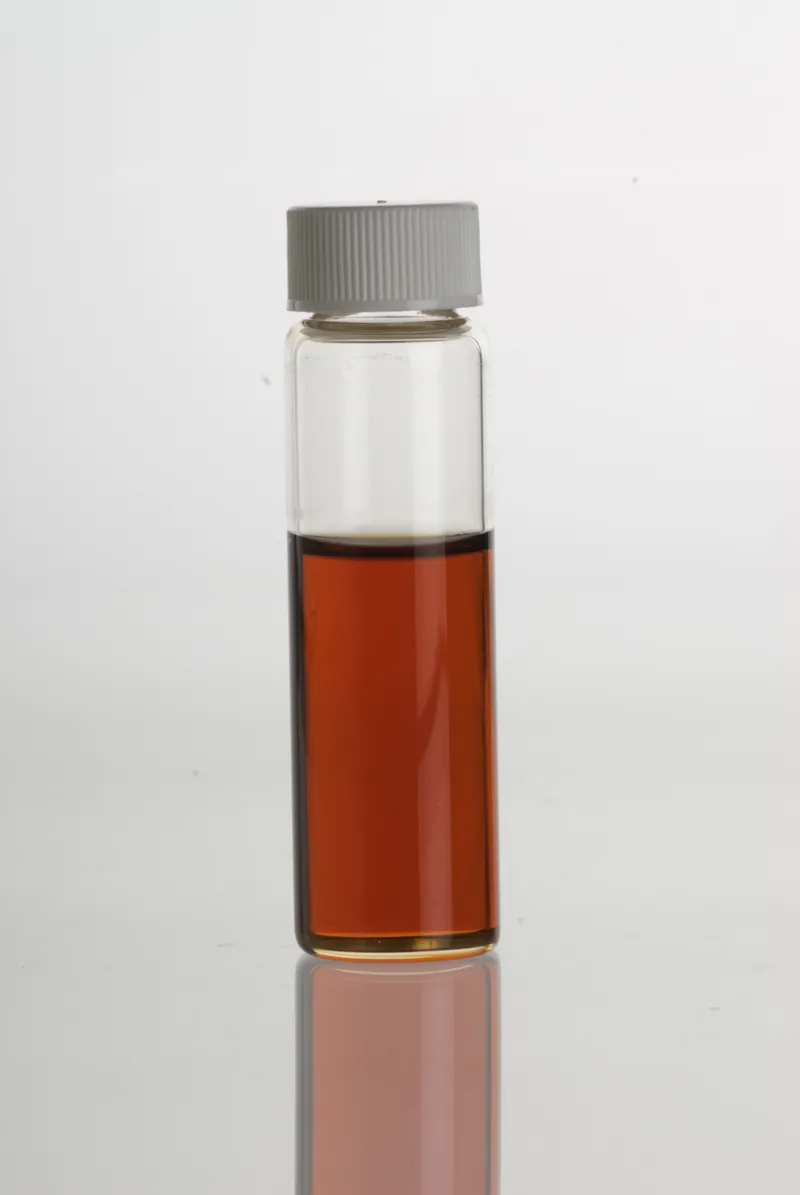
Photo: Vanilla and lace, CC BY 2.0, via Wikimedia Commons
Essential oils have become shorthand for calm. A drop of lavender on a pillow, bergamot in a diffuser, rosemary in a morning shower gel: the scent does something before you have even decided whether you believe in it. That is worth taking seriously. But aromatherapy also attracts the kind of language that makes a pharmacist wince, with claims that a scent can cure anxiety, reset the nervous system, or replace medical treatment. It cannot. The honest position is more interesting: essential oils can be a grounded part of a stress routine, as long as we keep the scent and the science in their proper places.
The gap between a pleasant smell and a clinical claim
Smell is powerful. It connects directly to parts of the brain involved in memory and emotion, which is why a familiar scent can feel instantly calming. But feeling calmed by a scent is not the same as a clinical treatment for an anxiety disorder. Many aromatherapy studies are small, short, and complicated by the fact that people expect to feel relaxed. When aromatherapy massage is studied, the effect may come from the massage, the quiet room, and the kind hands as much as the oil. Lavender has some promising research around sleep and anxiety, but the results are mixed and often use specific preparations. Bergamot has small studies suggesting a mood-lifting effect, and rosemary is associated with alertness, but none of this adds up to a prescription.
In the UK, essential oils are generally regulated as cosmetics, not medicines. A product can describe a scent as relaxing or refreshing, but it should not make medicinal claims unless it is licensed as a medicine. That is a useful line to hold in your head when you see a bottle promising to 'support adrenal function' or 'cure panic attacks'. It is a scent, not a drug.
Lavender: the reliable cue
Lavender is the oil most people reach for first, and that is fine. Its familiar scent can act as a cue: you smell it, you remember that you are trying to wind down, and you take a slower breath. That cueing effect is real even if the pharmacology is modest. Use it deliberately rather than constantly. A few drops in a diffuser for 15 to 30 minutes in the evening, or one drop diluted in a carrier oil for a hand massage, is plenty. Do not put neat oil on your skin. Do not ingest it. And keep it away from children and pets, because essential oils are concentrated and not harmless just because they smell nice.
Bergamot and rosemary: mood and alertness, with caveats
Bergamot is a citrus oil with a bright, bitter-sweet scent. Some small studies suggest it may help with feelings of tension, but citrus oils can be phototoxic, meaning they can make skin more sensitive to sunlight. If you use bergamot on your skin, use a low dilution and avoid sun exposure on that area. Rosemary is the opposite: stimulating, sharp, and often used for focus. It is not a stress remedy in the soothing sense, and it is worth avoiding high doses around the face or in pregnancy. Neither oil is a substitute for sleep, food, movement, or talking to someone.
UK safety basics that matter more than the scent
Never swallow essential oils. Dilute them in a carrier oil such as almond or sunflower for skin use: around 1 to 2 per cent for adults, which is roughly 6 to 12 drops per 30ml of carrier oil. Patch-test on the inner forearm and wait 24 hours before using more widely. Keep oils away from eyes and broken skin. If you use a diffuser, ventilate the room and take breaks. Be cautious with children, pregnancy, breastfeeding, asthma, and epilepsy, and ask a qualified aromatherapist or pharmacist if you are unsure. Buy from a reputable supplier and check the Latin name on the bottle, because 'lavender' can mean different species and chemotypes.
A grounded way to use aromatherapy for stress
Think of scent as a small sensory anchor, not a treatment. Choose one oil you genuinely like. Use it at a consistent time: after work, before bed, or before a difficult phone call. Put a drop on a tissue, take three slow breaths, and then do the thing that actually helps: step outside, stretch, make a cup of tea, or write down the worry. Do not diffuse oil all day in a sealed room. Do not build a personality around it. If stress is persistent, affecting your sleep, appetite, or ability to work, speak to your GP or look into NHS talking therapies. Aromatherapy can sit alongside that support. It cannot replace it.
The pleasure of a scent is not nothing. In a stressful week, a small ritual that helps you pause is worth having. Just keep it in perspective: the oil is the cue, and you are the one doing the calming.