The Teaspoon Is a Starting Point: A Kinder Way to Measure Loose Herbs
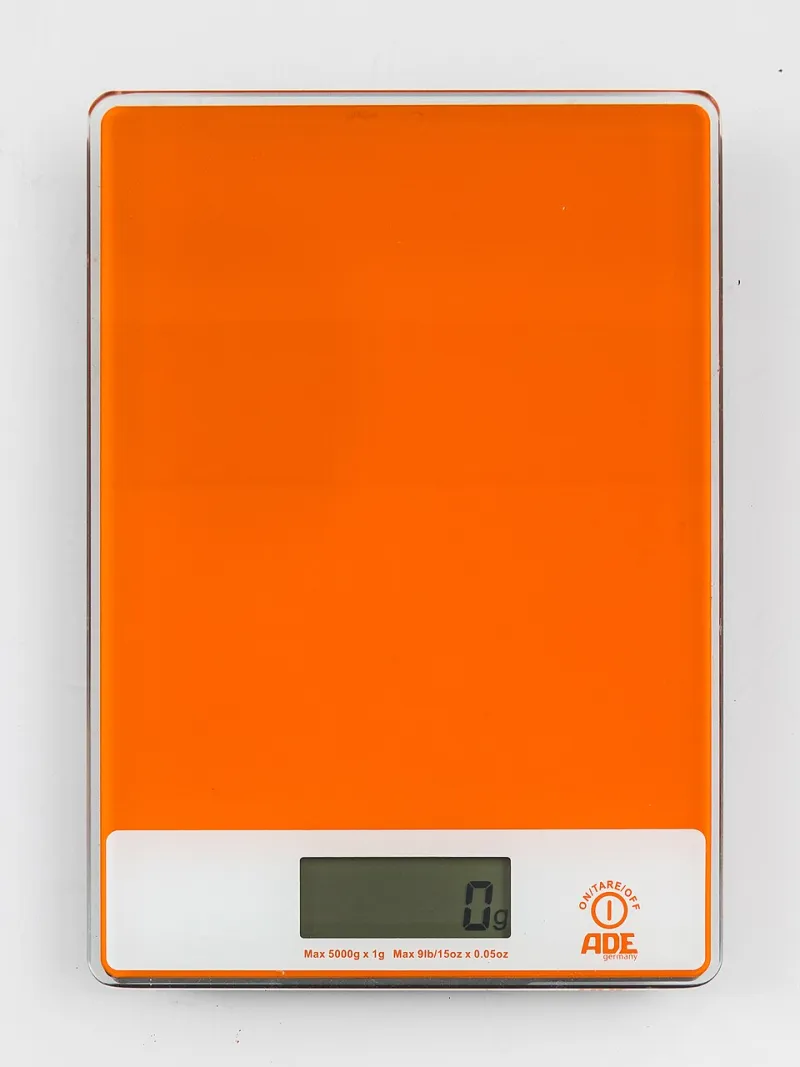
Photo: Raimond Spekking, CC BY-SA 4.0, via Wikimedia Commons
On a grey November morning, it is easy to see the appeal of the spoon. Kettle on, a spoonful of dried chamomile into the pot, and a few minutes of quiet. It is a soothing ritual, and for many gentle teas it is perfectly reasonable. But a teaspoon is not a standard measure. Neither is a pinch, a small handful, or the scoop that came with the jar. When labels start talking in grams, or when you are using a concentrated powder rather than a leafy tea, it helps to know what your spoon is actually doing.
Why a spoon is a shaky ruler
Dried botanicals are not uniform. A teaspoon of fluffy chamomile flowers weighs far less than a teaspoon of densely packed root, and a fine powder can be several times heavier again. Cut size, moisture, how tightly the herb settles in the spoon, and even the shape of the spoon all change the result. That is not a reason to panic over every cup of tea. It is simply a reason to treat volume measures as a rough starting point rather than a precise dose.
For leafy teas, the difference is often forgiving. For powders, root decoctions and blends containing stronger herbs, it matters more. A label that says 1g or 2g is giving you information. A label that says one teaspoon is giving you a suggestion. The two are not the same, and knowing that is half the battle.
When weight is worth the extra minute
Precision is not a personality trait. It is a tool you reach for when the situation calls for it. Weighing makes most sense when you are using powdered herbs, when a product gives a gram-based serving suggestion, when you are making a repeatable blend, or when you are using a botanical over a longer period. It is also sensible if you are pregnant, breastfeeding, giving a remedy to a child, taking regular medication, or trying a herb for the first time. In those cases, a small kitchen scale is a kinder friend than guesswork.
For a nightly cup of lemon balm or a weekend pot of peppermint, you can often relax. Herbal teas are generally mild, and the evidence for their effects is modest and specific rather than dramatic. The aim is not to turn a comforting routine into a laboratory task. The aim is to know when the extra minute of measuring is genuinely useful and when it is simply unnecessary fuss.
A simple kitchen-scale habit
You do not need scientific equipment. A basic digital kitchen scale that measures in 0.1g increments is widely available in UK supermarkets, hardware shops and online, and it costs less than many herbal blends. Keep it on the counter next to your jars, not hidden in a cupboard.
Start by weighing one level spoonful of the herb you use most often. Write the result on the jar label: for example, one teaspoon equals roughly 1.2g. That tiny note saves you from re-weighing every time. If a product recommends 2g, you now know whether your usual spoon is close, generous or light. For powders, skip the spoon shortcut and weigh each portion. For teas, you can weigh a week's worth into small jars or paper bags if you like the convenience of a pre-measured routine.
Tare the scale with your cup or bowl first, then add the herb. Keep the scale dry, wipe it clean, and store your herbs away from steam and sunlight. None of this needs to be elaborate. A small notebook or a strip of masking tape on the jar is enough.
Reading UK labels without the chemistry exam
Herbal labels in the UK can be a mixed bunch. Licensed traditional herbal medicines carry a THR logo and clear dosing information. Food supplements and loose herbs may give a serving suggestion in teaspoons, grams, or both. Look for the weight of the dried herb, the suggested daily amount, and any warning about prolonged use or interactions. If a label gives only a vague instruction such as one to two teaspoons, treat it as a starting range and use less rather than more, especially with powders or stronger roots.
Do not be dazzled by the word clinically proven. It tells you very little on its own. Check what was studied, at what dose, and in what form. A tea and a concentrated extract are not interchangeable. If you are unsure, ask a pharmacist or your GP, particularly if you take prescription medicines or have a health condition. Herbal does not automatically mean harmless, and a sensible label reader is a calmer label reader.
The calming middle path
A teaspoon is a useful friend, not a measuring instrument. For gentle leafy teas, it can be a perfectly good place to start. For powders, roots and anything you use regularly, a small scale gives you a steadier footing. The point is not to weigh every leaf with ceremony. The point is to know what you are taking, to follow the label where it gives real numbers, and to keep the ritual soothing rather than stressful.
So tomorrow morning, you can still reach for the spoon. Just keep the scale nearby for the days when a pinch is not quite enough information.