Fewer Plants, Fewer Surprises: The Case for Short Botanical Skincare Labels

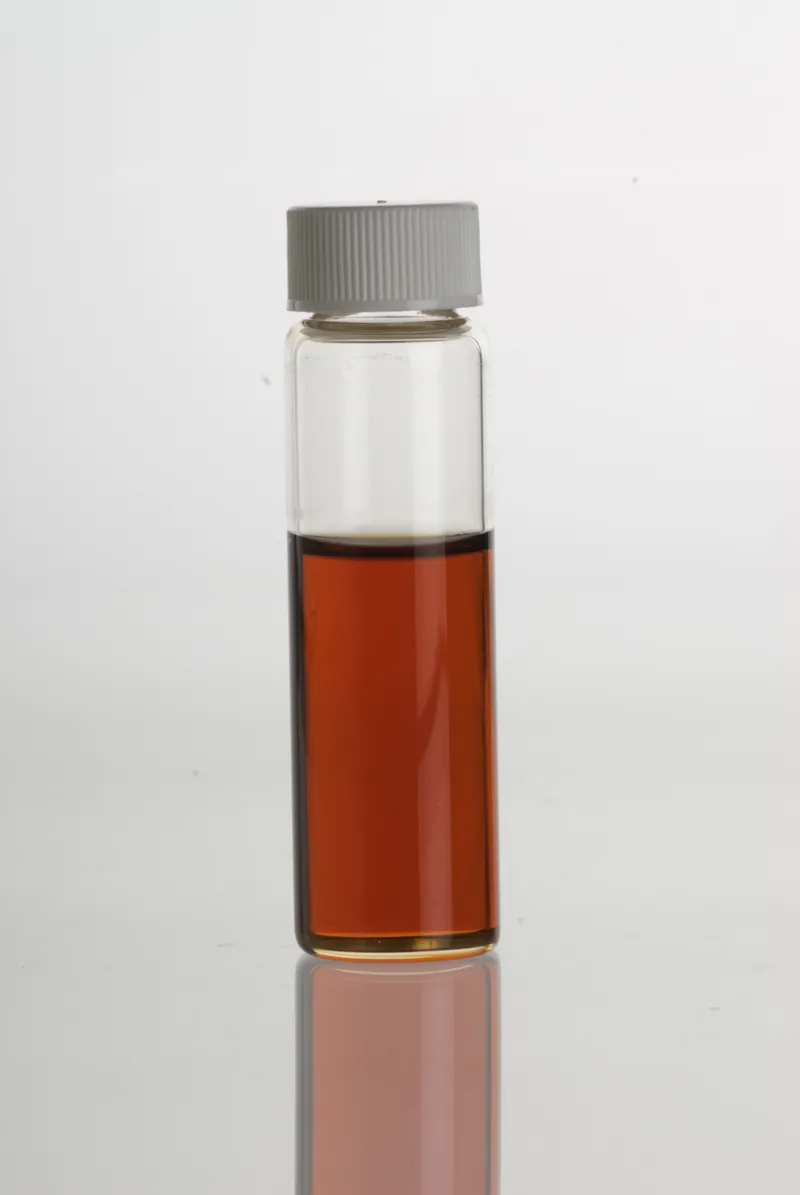
Photo: minimalist unscented skincare bottle with oats calendula and chamomile on neutral linen background, via aertsen.in
There is a particular kind of skincare shelf that looks reassuringly serious: glass bottles, tiny serums, long names, and a botanical story for every step. It can feel as though more plants must mean more care. For many people with sensitive skin, though, the opposite is often true. A shorter formula can be easier to understand, easier to tolerate and easier to afford. This is not an argument against plants. It is an argument for clarity.
The plain bottle principle
The plain bottle principle is simple: buy the simplest formula that does the job you actually need it to do. That might be a fragrance-free moisturiser, a plain balm, a gentle cleanser or a simple colloidal oatmeal cream. It does not mean rejecting ingredients that sound scientific. Water, glycerin, emulsifiers and preservatives are not villains; they are what make a cream a cream and keep it safe to use. The point is not to count ingredients for sport. The point is to reduce the number of variables your skin has to meet.
When a product contains twenty plant extracts, it is hard to know which one is soothing and which one is causing a sting. When it contains three or four well-chosen ones, a reaction is easier to trace. That matters for anyone who has ever played detective with a red patch on their cheek. It also matters for value. Botanical cocktails often rely on tiny amounts of many plants, because the label reads better than the formula performs. You may be paying for the story rather than the effect.
How to read a short ingredient list
Start with the first five ingredients. In most emulsions, water comes first, followed by oils, butters or glycerin. Botanicals near the end are usually present in small amounts. That is not automatically bad, but it is worth knowing. A calendula extract at the bottom of a long list is unlikely to be the reason the product feels calming.
Look for the words that commonly upset sensitive skin: ‘fragrance’ or ‘parfum’, and individual fragrance allergens such as limonene and linalool. Essential oils are not automatically gentler than synthetic fragrance. Tea tree, lavender, citrus and peppermint can all irritate, especially on broken or dry skin. Preservatives are necessary in water-based products. A ‘preservative-free’ cream may be anhydrous, which is fine for a balm, or it may have a very short shelf life. Read the period-after-opening symbol and do not keep a tub for years out of sentiment.
Patch testing is still sensible. Apply a small amount to the inner forearm for a few days before using it on the face. If you have eczema, rosacea or a history of contact dermatitis, ask a pharmacist or GP about a simple routine rather than guessing from social media.
What plain botanicals can realistically do
Colloidal oatmeal is one of the better-supported plain botanicals. It can soothe dry, itchy skin and support the skin barrier, and it is used in some eczema-friendly products. It is not a cure for eczema, but it can be a kind comfort. Calendula has a long traditional reputation for soothing skin and is lovely in a simple balm or cream, though good clinical evidence is limited. Chamomile is similarly traditional and can feel calming in a compress or cream, but people with allergies to the daisy family should be cautious.
These ingredients are at their best when they are allowed to be modest. A plain oat cream does not need a dozen other extracts to help dry skin. A calendula balm does not need a perfume to feel comforting. If a product promises to soothe, brighten, firm and detoxify at once, the plant list is probably doing more marketing than medicine.
When the complicated cocktail is not worth it
There are times when a more complex formula is worth the money. Some well-studied actives, such as niacinamide or ceramides, can be useful, and they are not botanical. But if you are buying a botanical serum mainly because the label lists eleven plants and a mountain spring, pause. Sensitive skin often does better with fewer products, applied less often. A tight budget also deserves honesty: a basic emollient and a broad-spectrum sunscreen will usually do more for skin comfort than a costly plant blend.
A sensible plain-bottle routine
In the morning, rinse with lukewarm water, apply a simple moisturiser and use sunscreen. In the evening, use a gentle cleanser if you need one, then a plain moisturiser. If your hands or cheeks are dry, add a basic balm. If you want one botanical, choose one and use it for a few weeks before adding another. Keep products cool and closed, and follow the expiry date.
The plain bottle is not a punishment. It is a way of being kind to skin that has had enough surprises. Fewer plants can mean fewer variables, a clearer label and more money left for the things that genuinely help.