The Overheated Desk: A Small, Sensible Botanical Kit for Office Days
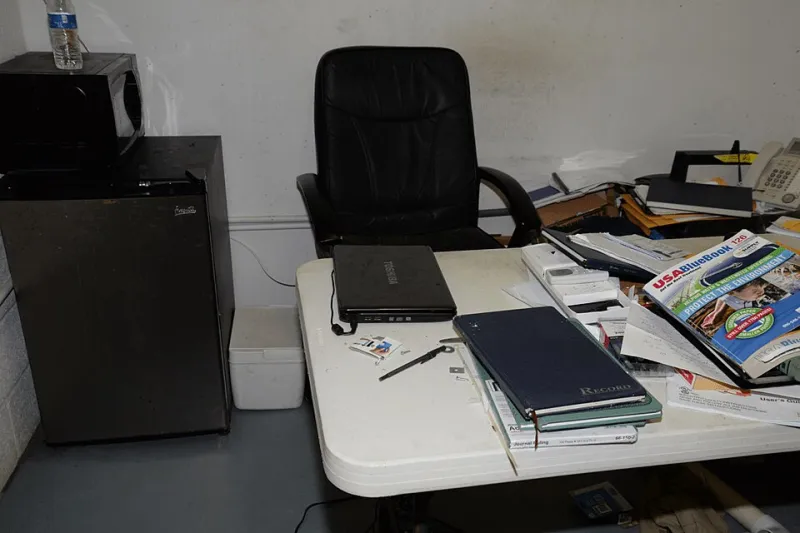
Photo: Federal Bureau of Investigation, Public domain, via Wikimedia Commons
UK offices have a talent for being both stuffy and chilly at the same time. The heating is on, the windows are sealed, the air is dry, and by mid-afternoon your eyes feel like they have been to a festival. A small desk-side botanical kit will not fix the building. It can, however, offer a few gentle comforts without turning your drawer into a messy apothecary.
What a desk kit should and should not be
Think small, labelled and replaceable. A zip pouch with a few items is enough. This is not a first-aid kit for emergencies, and it is not a substitute for going home, seeing a pharmacist or getting medical help when something is persistent. Keep scent low, because shared offices are shared air. Check your workplace policy on fragrances and electrical items, and never leave food-based items open in a drawer for months.
A cooled chamomile eye compress
What it can help with: tired, screen-heavy eyes and the temporary puffy feeling that comes from staring at a monitor in dry air. A cool compress is soothing, and chamomile has a long tradition of being used this way.
What it cannot fix: infection, a stye, dry eye disease, vision changes or pain. If your eye is red, sticky, swollen or painful, do not experiment with tea bags. See a pharmacist, optometrist or GP.
How to use it sensibly: use two clean cotton pads soaked in cooled chamomile tea, or a clean cloth and cold water if you are unsure about plant allergies. Do not share eye compresses. Use once and wash the cloth. Keep the tea in the fridge for no more than a day, and label it if it is in a shared fridge. If you have known daisy-family allergies, skip chamomile and use plain cool water.
Ginger tea bags
What they can help with: warmth, hydration and a bit of comfort on a cold day. Ginger is traditionally used for mild nausea, and small food-like amounts are generally well tolerated. It will not cure a cold or replace prescribed medicine.
What they cannot fix: persistent nausea, reflux, stomach pain or a fever. If you take anticoagulants or have a health condition, ask a pharmacist before making ginger tea a daily habit. Keep the bags dry and sealed, and label the box with the date you opened it.
A calendula hand balm
What it can help with: dry hands from indoor heating, frequent soap and paper shuffling. A simple balm with calendula and a plain butter or oil can feel soothing and help lock in moisture. Calendula is traditional rather than miraculous, so expect comfort rather than a cure.
What it cannot fix: eczema flares, cracked infected skin or contact dermatitis. If your hands are bleeding, very itchy or spreading redness, get advice.
How to keep it office-friendly: choose a fragrance-free balm in a small tube rather than a shared tub. If you use a tin, keep it for your own use and clean the rim. Patch test first if your skin is reactive. Store it away from direct heat, because a melted balm in a warm drawer is nobody’s friend.
A peppermint-free breathing balm for stuffy rooms
What it can help with: a sense of comfort when the office air feels thick or recycled. Some people find menthol or peppermint too sharp, so a peppermint-free balm can be a gentler option. Look for a short ingredient list and a low-scent formula.
What it cannot fix: congestion, sinus infections, allergies or breathing problems. A balm does not clear your airways. If you have asthma, use inhalers as prescribed, and seek help for breathlessness. If congestion lasts more than a week or comes with fever or facial pain, ask a pharmacist.
How to use it safely: apply a tiny amount to the chest or wrists, not inside the nose. Keep it away from eyes. Wash your hands afterwards. In a shared office, scent can travel, so use it sparingly or keep it for home. If you are pregnant or using it around children, check with a pharmacist first.
Keeping the kit clean, labelled and shareable
Label every item with your name and the date you opened it. Use tubes and pumps where possible. Do not share eye items, lip balms or anything you have applied with fingers. Wipe the outside of containers, and check expiry dates each season. Keep the pouch tidy so you are not rummaging through old tea bags. If a colleague asks to borrow something, offer a clean disposable item or point them to the office first-aid supplies rather than a personal balm.
A desk drawer apothecary should be modest by design. A cool compress, a warm drink, a plain hand balm and a low-scent comfort balm will not transform an overheated office. They can make the afternoon a little gentler, and that is a reasonable thing to ask of a drawer.