The Notebook Beside the Mug: Talking Herbs and Prescriptions With Your GP
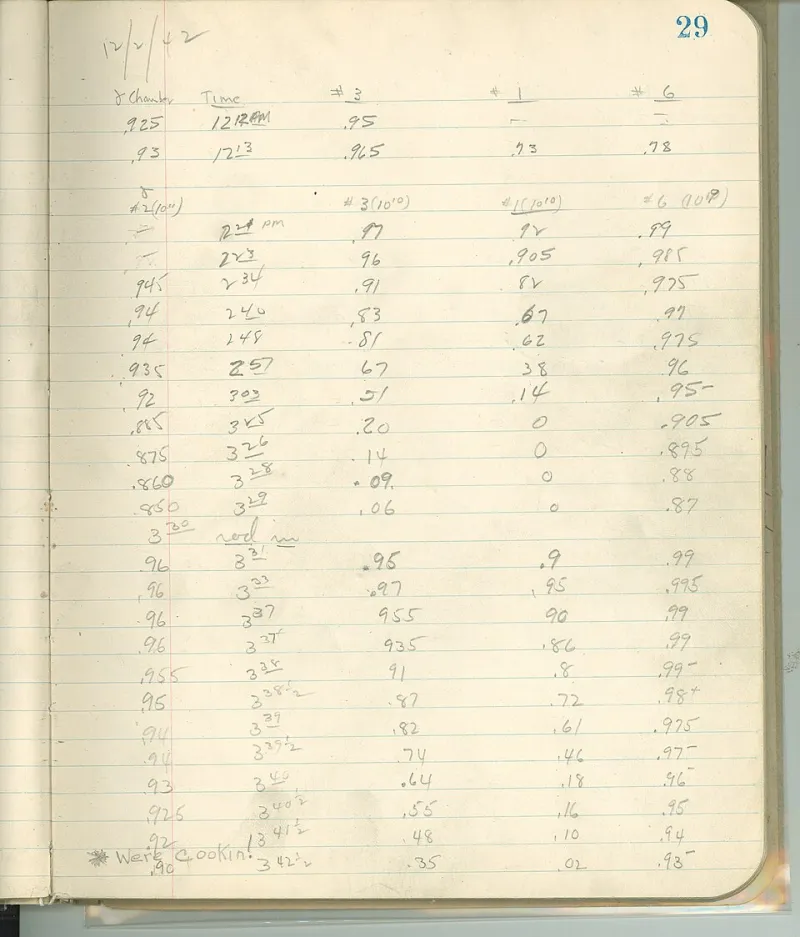
Photo: Unknown authorUnknown author or not provided, Public domain, via Wikimedia Commons
Most of us who use botanical remedies are not trying to replace our prescribed medicines. We are trying to sleep better, settle a grumbling stomach, or soften the edge of a stressful week. Yet the conversation about herbs and prescriptions can still feel awkward. You may worry your GP will dismiss the chamomile tea or the valerian capsule. Or you may worry that mentioning it will sound as if you are asking for permission to do something you have already decided to do.
The calmer approach is simpler: treat the appointment as a chance to give your clinician a clearer picture. Not a confession. Not a test of their herbal knowledge. Just information that helps everyone spot possible interactions and decide what to monitor. In the UK, where GP appointments are short and pharmacists are often the unsung heroes of the high street, a little preparation goes a long way.
Why the herb list matters
Herbs are not inert. They contain compounds that can affect how the body breaks down medicines, how quickly the gut absorbs them, or how strongly a medicine acts. That does not mean every cup of peppermint tea is a risk. It means the details matter: which herb, what form, how much, how often, and alongside which prescription.
Some well-known examples are worth keeping in mind without panicking about them. St John's wort can affect certain antidepressants, oral contraceptives and blood-thinning medicines. Liquorice root can influence blood pressure and potassium levels. Ginkgo has been discussed in relation to bleeding risk. Valerian may add to the drowsiness of sedatives. The evidence is uneven across the board, and many people use botanicals alongside prescribed treatment without trouble. But a GP or pharmacist cannot help you weigh that up if they do not know what is in the cupboard.
This is not about overstating what herbs can do. It is about being honest about what you are taking, so that any decision is based on the whole picture rather than half of it.
Two lists, one page
Keep it boring and practical. A single sheet of paper or a note on your phone is enough. Divide it into two columns or two short lists.
List one: your prescribed medicines. Include the name, dose, how often you take it, what it is for, who prescribed it, and any recent changes. If you have had a dose increased or a new medicine started in the last few months, say so. That timing can be useful.
List two: your botanical products. This is where people often go vague. Try to avoid writing only 'herbal tea' or 'supplement'. Note the product name and brand where you can, the form — tea, tincture, capsule, powder, balm — the amount, how often you use it, and when you started. Add why you are using it and who recommended it, whether that was a friend, a herbal practitioner, a shop assistant or your own reading.
It also helps to note anything else relevant: pregnancy or breastfeeding, kidney or liver conditions, upcoming surgery, allergies, and any food or medicine sensitivities. You do not need to write an essay. A clear page is more useful than a perfect one.
Questions that invite a useful answer
Try not to open with 'Is it okay if I take this?' That can put a clinician in a yes-or-no corner when the honest answer may be 'it depends'. Instead, try: 'I use these regularly. I would like to check whether anything here worries you, and what I should watch for.'
Useful questions include: Are there any likely interactions between this herb and my prescription? Does the timing of doses matter? Are there symptoms that should prompt me to call the surgery? Do I need any blood tests or monitoring? Is it sensible to pause this before surgery? Can we review it at my next appointment?
If you are seeing a GP for a new prescription, mention the herbs then too. If you are already using them and a new medicine is being started, that is another natural checkpoint. You are not asking for a herbal blessing. You are asking for a clearer risk picture.
If the answer is 'I don't know'
Some GPs will be knowledgeable about herb-drug interactions. Some will not. A blank look is not a verdict on your choices. Ask whether the practice pharmacist can review the list, or speak to a community pharmacist. Pharmacists are trained in medicines and can often talk through interactions, timing and side effects in a practical way. Some pharmacies offer medicines use reviews, and a quiet weekday morning is often a good time to ask.
If you report a suspected side effect or reaction, the MHRA Yellow Card scheme is there for that purpose. It is not a substitute for medical advice, but it helps build the wider picture. If symptoms are urgent, contact NHS 111 or seek emergency help as appropriate.
What not to do
Do not stop a prescribed medicine on your own to 'give the herbs a chance'. Do not assume natural means gentle. Do not start five new products at once and then wonder which one caused a change. Do not rely on a forum post as your only source of safety information. And if you notice a new symptom after starting a herb, write down the date and tell your clinician rather than trying to work it out alone.
A short script for the appointment
You can keep it simple: 'I have brought a list of my prescribed medicines and the herbal products I use. I am not asking to stop anything. I would like to know if there are interactions I should watch for, and whether the timing matters.'
That sentence does a lot of work. It shows you are engaged, not reckless. It asks for calibration rather than permission. And it leaves prescribed treatment where it belongs: under clinical review, not in the bin.
The takeaway
The bag between you and your GP does not need to be a source of tension. A folded page, a phone note, or a notebook beside the mug is enough. Update it when something changes. Bring it to appointments. Ask specific questions. Keep prescribed treatment in place unless a clinician tells you otherwise. That is not anti-herb or anti-medicine. It is just good, grounded self-care.