The Commute Cup: Herbal Infusions That Travel Well in a Flask
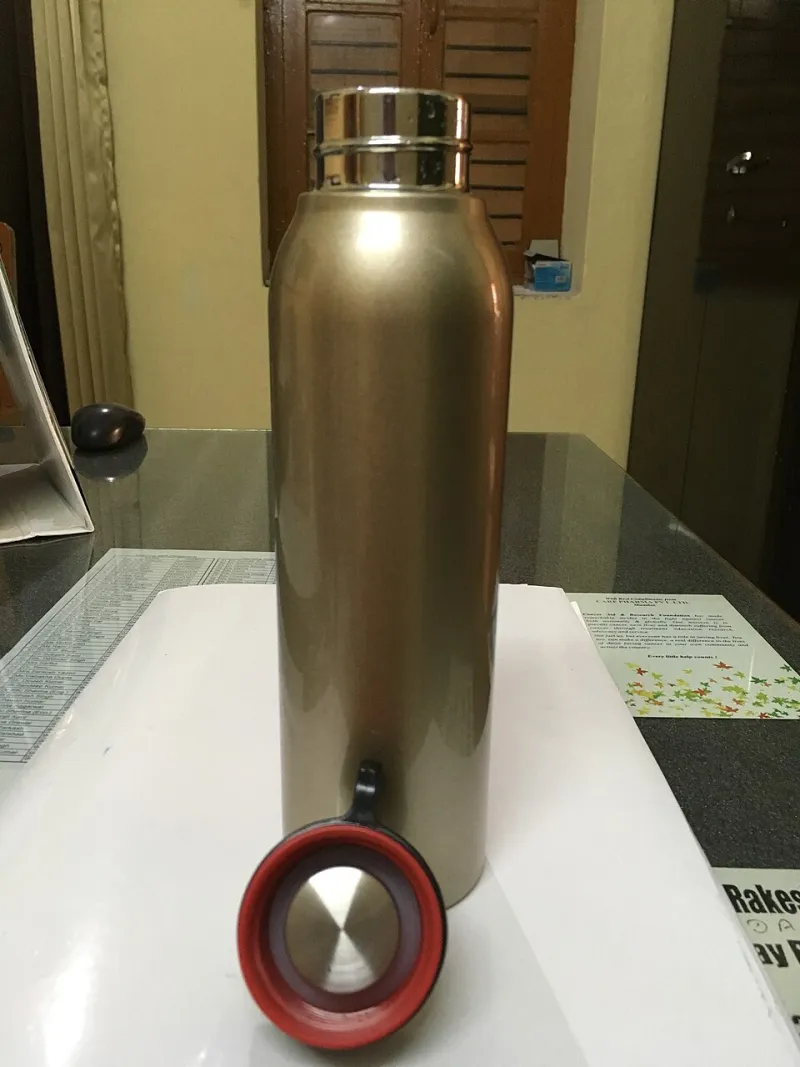
Photo: Shypoetess, CC BY-SA 4.0, via Wikimedia Commons
November commuting in the UK has a particular texture. The platform is cold, the train is warm, the bus smells of damp coats, and the office kettle is already surrounded by people. A flask of herbal tea can be a small civilising thing: something warm and gentle to sip on the way, or to have at your desk without another trip to the kitchen. The difficulty is that a flask is also a little incubator. Herbs left in hot water keep steeping, and a tea that tasted bright at 7am can taste bitter and tired by 9am.
Start with a flask that behaves
A good commuting flask is insulated, leakproof, easy to clean and wide enough to wash properly. Stainless steel is the usual choice. A narrow neck looks sleek but can be awkward to scrub, and herbal infusions leave residue if they sit. Before you fill it, pour in a little boiling water, swirl it round, and tip it out. This preheats the flask so your tea stays hot for longer and does not cool too quickly in the first hour.
Leave a little headspace at the top. A completely full flask is harder to close cleanly and can leak. If you are using a basket or infuser, check that the lid still seals with it inside. And keep the flask for tea and water only; milk, smoothies and protein drinks are a different food-safety conversation.
Brew weaker, not longer
The common mistake is to brew a normal cup-strength infusion and pour it into a flask. In a cup, you remove the tea bag or strain the leaves after a few minutes. In a flask, the plant material may stay in contact with the water for an hour or more. The result is more bitterness, more astringency and less of the delicate aroma you wanted.
Use less herb, not more time. For a 500ml flask, try about one teaspoon of loose leaf or one tea bag, rather than the two teaspoons you might use for a 250ml mug. Steep for three to five minutes, then remove the bag or strain the liquid into the preheated flask. If your flask has no removable basket, brew in a jug and pour through a small sieve. It is an extra step, but it is the difference between a pleasant drink and a punishment.
Water temperature matters too. Delicate leaves such as lemon balm, peppermint or chamomile are happier with water just off the boil, around 80–90°C. Tough roots such as ginger or dandelion root need water closer to boiling to release their flavour. If you are not sure, start slightly cooler and adjust. You are not trying to extract every last compound; you are trying to make something you will actually enjoy at 8.40am.
Four botanicals that travel well
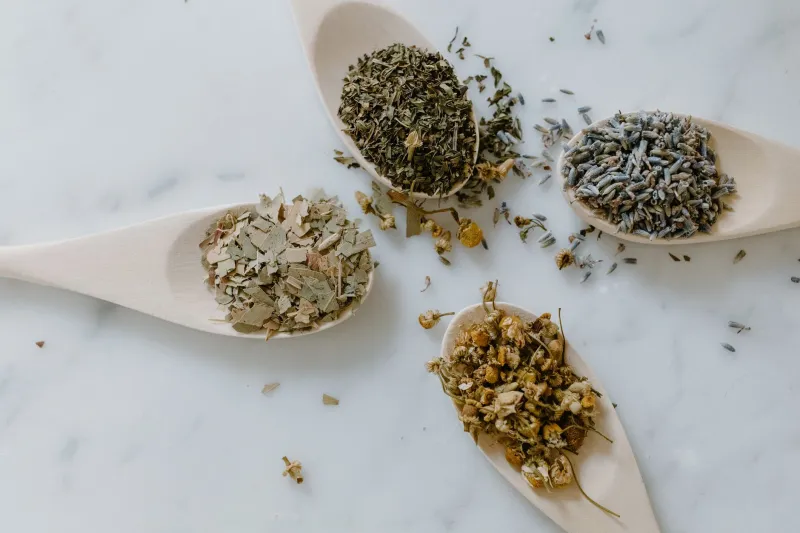
Peppermint is forgiving, familiar and often kind after a heavy breakfast. It can turn bitter if left too long, so go easy on the amount. Ginger is warming and useful if travel makes your stomach feel unsettled; dried ginger root is easier to measure than fresh, which can be fibrous and strong. Fennel seed has a gentle sweetness and a long association with digestive comfort, but it can become soapy if overdone. Rooibos is naturally sweet, low in bitterness and robust in a flask, making it a good base if you want something smooth without caffeine.
Chamomile and delicate flower teas are less reliable in a flask; they can go dull or grassy quite quickly. Strong spices such as clove and cinnamon can overwhelm everything else, so use them sparingly or save them for a mug at home. If you want a blend, keep it simple: two ingredients at most, and choose ones with similar steeping needs.
The practical morning method
Fill the kettle, preheat the flask, and set out your tea while the water boils. Brew in a jug or a large mug, not directly in the flask, if you can. Use one teaspoon per 500ml for loose leaf, or one bag per 500ml. Set a timer for three to five minutes. Strain into the flask, seal it, and wrap it in a bag pocket or carry it upright. If you are adding honey, stir it into the hot tea before sealing, and keep the amount modest.
At your desk, pour the tea into a cup rather than sipping directly from the flask all morning. This helps it cool to a comfortable temperature and keeps the flask cleaner. If the tea has been sitting and has gone lukewarm, do not keep nursing it for hours. Herbal tea is a food product, and warm, sugary or plant-rich liquids are not something to leave at room temperature indefinitely.
Food-safety notes for desk days
Wash the flask thoroughly every day with hot soapy water, including the lid and any rubber seals. Rinse well and leave it open to dry. Do not add milk to a flask of herbal tea; milk plus warm conditions is a risk you do not need on a train. If you want a milky drink, make it fresh at home or at the office and drink it within a sensible time.
Keep hot tea hot, ideally above 60°C, and if it has cooled to room temperature, discard it after about two hours. Do not reheat a flask of tea later in the day. If you are unsure, throw it out. The same goes for any infusion that smells odd, looks cloudy or has been sitting in a warm office radiator zone. A flask is not a sterile bottle, and a commute bag is not a fridge.
A small ritual, not a challenge
A flask of peppermint, ginger or fennel tea will not fix a difficult commute. It will not replace a proper breakfast or make a delayed train disappear. But it can give you a warm pause, a reason to drink something other than another coffee, and a small bit of comfort on a dark November morning. Brew it weaker than you think, strain it if you can, and keep it clean. The cup should travel well; you should not have to work hard to enjoy it.