Purge Promises, Quiet Physiology: What Herbal ‘Cleanse’ Blends Can Actually Do
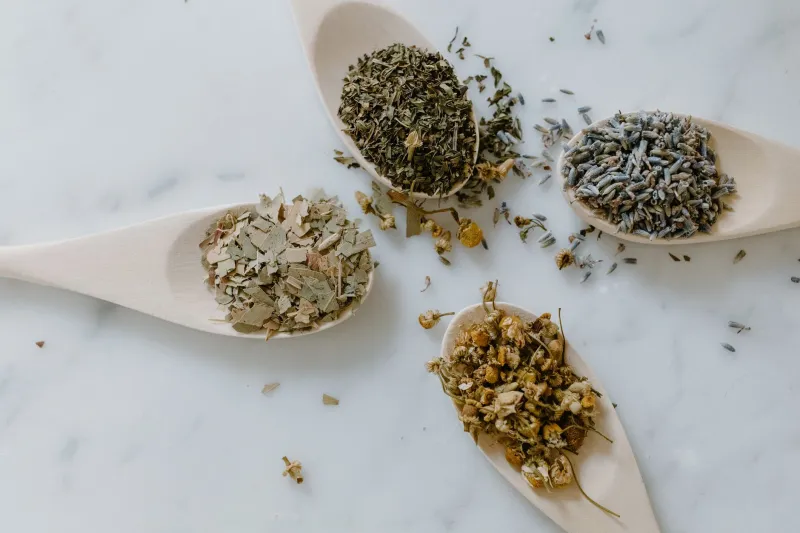
Walk into almost any UK health shop in November — or, let’s be honest, in the quiet weeks after New Year — and you’ll meet the same language. ‘Detox.’ ‘Cleanse.’ ‘Purify.’ ‘Flush away the bloat.’ The boxes are usually handsome: matte card, botanical line drawings, perhaps a whisper of nettle or a sprig of peppermint. The promise is bigger than the tea bag. And that’s the first thing worth noticing.
The word on the box is doing a lot of work
In UK food law, ‘detox’ is not an authorised health claim. You will still see it on herbal blends, sometimes tucked into a brand name or softened into ‘cleanse’, ‘reset’ or ‘feel lighter’. That does not automatically make a product unsafe, but it does mean the wording is often doing more marketing than physiology. A herbal tea can be pleasant, warming and mildly soothing. It cannot scrub your colon, reprogram your liver or ‘flush’ a vague substance called ‘toxins’ out of your body.
This is not a reason to feel foolish for being curious about cleanse blends. January is long, the digestion can feel sluggish after richer food, and a cup of something bitter or minty is a comforting ritual. The useful question is not ‘Does this detoxify me?’ but ‘What is actually in it, and what is it likely to do?’
What your liver and kidneys are already doing
Your body has sophisticated detoxification systems. The liver processes drugs, alcohol, hormones and waste products; the kidneys filter blood and send water-soluble waste out in urine; the bowel, skin and lungs play supporting roles. They do this without a tea. They do it better when you are hydrated, eating enough fibre, sleeping reasonably and not asking them to manage a daily bottle of wine and a 2am scroll.
That is the quiet physiology behind the hype. A ‘cleanse’ product might help you drink more fluid, take a pause in the day or eat a little more plants. Those are real benefits. They are just not the same as a purge.
When a ‘cleanse’ is a laxative in disguise
Some herbal cleanse blends — especially ‘teatox’ products and 14-day kits — contain stimulant laxative herbs such as senna, aloe latex, rhubarb root or buckthorn. Senna is a licensed short-term treatment for constipation, not a wellness tonic. Used regularly, stimulant laxatives can cause cramping, loose stools, electrolyte imbalance and dependence. They are not suitable for everyone, and they deserve more respect than a footnote on a pretty box.
Check the ingredients list for words like senna, aloe latex, cascara, frangula, rhubarb root or ‘gentle overnight blend’. If a product promises ‘results’ by the morning, ask what kind of result it is. A bowel movement is not a measure of inner purity.
Safety matters here, not just scepticism. Avoid stimulant laxative blends if you are pregnant or breastfeeding, have irritable bowel syndrome, inflammatory bowel disease, kidney problems, an eating disorder history or are taking diuretics, digoxin or warfarin. If you take any regular medicine, a quick word with a pharmacist is sensible — some herbs affect how drugs are broken down or increase bleeding risk.
The herbs with a quieter, more believable case
Not every ingredient in a cleanse blend is nonsense. Some botanicals have modest evidence for digestive comfort, usually at specific doses and in specific circumstances. Peppermint oil capsules, for example, have a reasonable evidence base for irritable bowel syndrome symptoms; a peppermint tea after a meal is gentler and less studied, but it is a pleasant ritual. Ginger has evidence for nausea, including pregnancy nausea — though doses need care and medical advice is wise. Fennel and dandelion root are traditional carminatives and bitters; the evidence is thinner, but a bitter salad leaf or a cup of fennel tea before eating is hardly a dangerous experiment.
Artichoke leaf extract has some limited evidence in functional dyspepsia. Dandelion root is often sold as a ‘liver herb’, but the leap from traditional use to ‘detoxifies your liver’ is a large one. Herbal tradition is not worthless; it is simply not the same as a clinical trial. A herb can be soothing without being a purification system.
A gentler reset that doesn’t involve a purge
If the real aim is to feel less sluggish, the unglamorous basics still win. Add a portion of fibre — oats, beans, lentils, pears, greens — rather than subtracting meals. Drink water across the day, not just during a tea ritual. Eat something bitter before dinner: rocket, chicory, a few dandelion leaves if you like them. Take a ten-minute walk after eating. Give yourself a proper lunch break away from the desk. These are not ‘detoxes’; they are the conditions under which digestion tends to behave better.
You could also try a simple swap: replace one evening scroll with a cup of peppermint or fennel tea and a few slow breaths. The tea is not cleansing you. It is giving you a pause. That is a legitimate reason to drink it.
If you’re going to buy a blend anyway
Read the ingredients, not the front of the box. Look for a full botanical name and the plant part used — ‘dandelion root’ is different from ‘dandelion leaf’. Be wary of blends that hide laxatives under ‘proprietary cleanse complex’. Check for a traditional herbal registration (THR) number if the product makes medicinal claims; in the UK, that mark means it is regulated as a traditional herbal medicine, not that it is a magic bullet. And treat ‘clinically proven’ with polite curiosity: proven for what, in whom, at what dose?
A herbal cleanse is not a moral test. You do not need to purge to deserve a fresh start. Your liver is already on shift, your kidneys are already filtering, and a quiet cup of something plant-based can be a kind, modest support — no flushing required.