A Warm Mug, Not a Cure: Rethinking the Alcohol-Free Hot Toddy
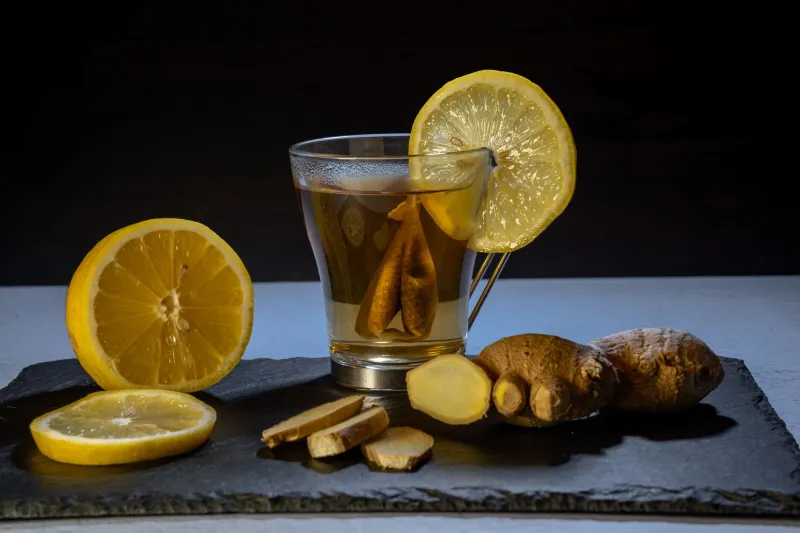
There is a particular kind of November evening in the UK that seems to ask for a hot toddy: rain on the window, a coat still drying by the door, and a throat that feels slightly scratchy. The traditional version usually involves whisky, honey and lemon, and a generous helping of folklore. It can feel comforting. It is not, however, a treatment for a cold, and the alcohol is not doing the medicinal work.
That does not mean the ritual is worthless. Warmth, steam, hydration and a few well-chosen botanicals can be genuinely pleasant when you are chilled or your throat is tender. The trick is to keep the comfort and drop the overstatement. Think of an alcohol-free hot toddy as a warm mug that supports you while your body does its usual thing — not as a prescription in disguise.
Why the Whisky Can Stay in the Cupboard
Alcohol can create a brief flush of warmth, but it also widens blood vessels near the skin, which can make you feel warmer while your core temperature is not necessarily helped. It can disrupt sleep, irritate a sore throat and interact with medicines. For children, pregnancy and many medical conditions, it is simply not appropriate. Even for adults, a hot toddy does not need spirits to be soothing.
The better base is hot water or a mild infusion, plus ingredients that are kind to the mouth and throat. Honey, for example, has reasonable evidence for easing coughs in adults and children over one year old. Lemon adds flavour and a little vitamin C, though it will not stop a cold in its tracks. Ginger brings warmth and may help some people feel less queasy. Thyme is a traditional cough herb with a long domestic history. Cloves offer a gentle numbing sensation. Rosehip gives tartness and vitamin C, though heat and storage affect how much remains.
None of these are magic. They are small, sensible mug-level helpers.
What Each Ingredient Can and Cannot Do
Ginger is a warming spice with a familiar place in UK kitchens. It can settle the stomach for some people and makes a cup feel more substantial. It will not clear a chest infection, and very high intakes may interact with blood-thinning medication, so keep to culinary amounts unless a qualified practitioner advises otherwise.
Thyme is a gentle kitchen herb that has traditionally been used for coughs and catarrh. A mild tea can be pleasant, but it is not a replacement for medical care if you are breathless, feverish or unwell for more than a few days. Use ordinary culinary quantities and avoid concentrated essential oil internally.
Lemon gives brightness and makes hot drinks easier to sip. Vitamin C is important for normal immune function, but topping up when you already have a cold is not a proven cure. The main benefit here is flavour and hydration.
Honey is the most evidence-friendly ingredient in the mug. It can soothe a sore throat and reduce cough frequency for some people. It is not suitable for babies under 12 months because of the risk of botulism. For everyone else, a teaspoon or two is enough.
Cloves add a warm, almost numbing note. A little goes a long way. Whole cloves simmered briefly are safer than guessing with strong clove oil, which should not be swallowed. If you have medication or a medical condition, keep cloves to normal cooking amounts.
Rosehip makes a tart, fruity base and contains vitamin C, but it is not a cold remedy. It can interact with some medicines, including warfarin, so check with a pharmacist if that applies to you. Strain well, as the hairs inside rosehip can irritate the throat.
Three Gentle Alcohol-Free Recipes
These are ordinary kitchen recipes, not medical treatments. Use them as comforting drinks, and seek advice if symptoms are severe or persistent.
1. The Simple Ginger, Lemon and Honey Mug
- 250ml hot water
- 2–3 thin slices fresh ginger
- Juice of a quarter lemon
- 1–2 teaspoons honey, or to taste
Steep the ginger in just-boiled water for five to seven minutes. Let it cool slightly, then add lemon and honey. This is the everyday version: warming, hydrating and easy on a sore throat. For children over one year, use less ginger and only a small spoon of honey. Do not give honey to infants under 12 months.
2. Thyme and Rosehip Evening Infusion
- 250ml hot water
- A small pinch of dried thyme, about a quarter teaspoon
- 1 teaspoon dried rosehip pieces, well strained
- 1 teaspoon honey or a slice of lemon, optional
Steep the thyme and rosehip in hot water for five to eight minutes, then strain carefully through a fine sieve. Add honey or lemon if you like. The flavour is earthy and tart rather than sweet. Keep the thyme modest; this is a drink, not a strong decoction. If you are pregnant or taking regular medication, ask a pharmacist or clinician before using rosehip regularly.
3. Clove and Apple Warm Cup
- 150ml unsweetened apple juice
- 100ml water
- 1 whole clove
- A small strip of orange peel, optional
- A squeeze of lemon
Warm the apple juice, water, clove and orange peel gently for five minutes. Do not let it boil hard. Remove the clove before drinking, add a squeeze of lemon, and sip slowly. One clove is plenty. This makes a pleasant alcohol-free alternative to mulled drinks, but it is still a sugary drink if your juice is sweet, so treat it as an occasional comfort rather than an all-day sipper.
Safety Notes Before You Simmer
A few practical cautions matter more than any ingredient list.
- Children: Honey is not for under-ones. Keep ginger and thyme mild, and avoid clove-heavy drinks for young children. Warm drinks should be lukewarm, not hot.
- Pregnancy: Culinary amounts of ginger and thyme in food are generally considered ordinary, but concentrated herbal products are a different matter. Check with your midwife or pharmacist before using rosehip or any herbal supplement regularly.
- Medication: Ginger, rosehip and other botanicals can interact with some medicines, including anticoagulants. If you take regular medication, ask a pharmacist before making a new herbal drink a daily habit.
- Sore throats: Seek medical advice if you have difficulty breathing or swallowing, a high fever, drooling, severe neck stiffness or symptoms that are worsening quickly. In the UK, NHS 111 can help you decide what to do.
A Sensible Cold-Night Ritual
The best alcohol-free hot toddy is not a cure in a mug. It is a small pause: steam rising, hands warming, a few gentle plants doing what they can. Keep the ingredients simple, the quantities culinary, and the claims honest. On a dark November evening, that is comfort enough.