What’s Still Good on the Shelf? A Calm Audit of Herbal Teas, Tinctures and Balms
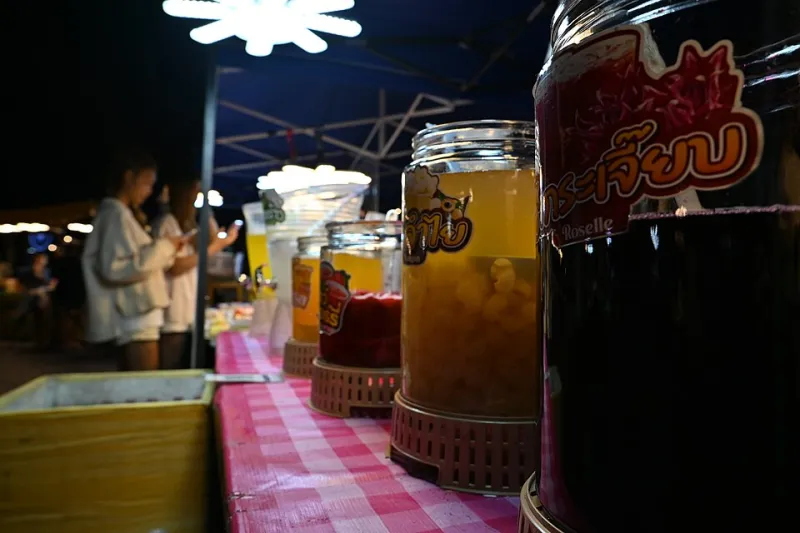
Photo: PattayaPatrol, CC BY-SA 4.0, via Wikimedia Commons
As the clocks have gone back and the darker afternoons settle in, there is a particular kind of November pleasure in sorting out the kitchen cupboard. Not a dramatic clear-out, just a quiet look at what is actually there. For anyone who keeps a few herbal teas, a tincture or two and a tin of balm, this is a useful moment to check the shelf before winter arrives.
The good news is that most of it does not need to be thrown away in a panic. Herbal preparations are not usually fragile in the way fresh food is, and a best-before date is not a switch that flips from safe to spoiled at midnight. But they are plant materials, oils and water-containing products, and they do change over time. A calm audit is mostly about using your senses, reading the label and being honest about how the things have been stored.
Start with a clear shelf, not a guilty one
It helps to take everything out, wipe the shelf and group things together: dried herbs and teabags, tinctures, carrier oils, essential oil blends, balms and creams. Keep a bin bag and a compost caddy nearby. This is not about replacing your whole collection before Christmas. It is about deciding what is still pleasant and useful, what has faded, and what has become a small science experiment at the back of the cupboard.
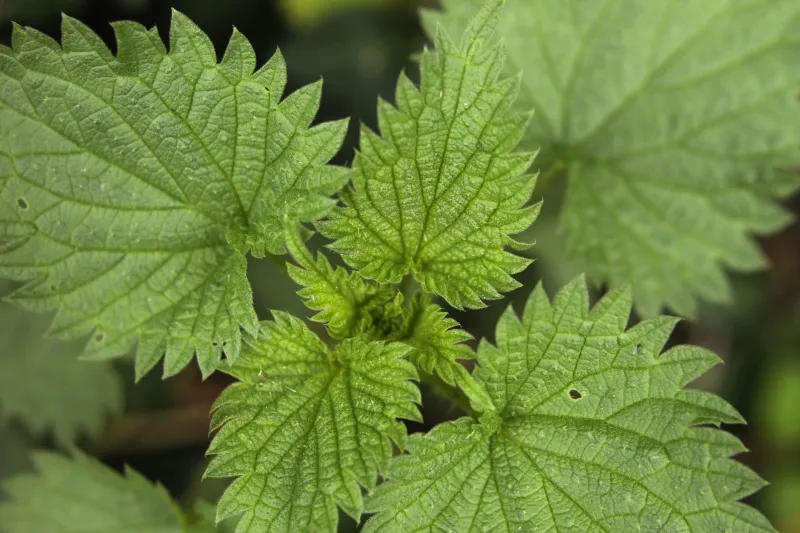
Write the date on anything you open from now on. A piece of masking tape and a marker are enough. Most of us are far more likely to use a jar of nettle leaf or a bottle of calendula oil if we know when it started its life on our shelf.
Dried herbs and teabags: use your nose first
Dried leafy herbs are at their best in the first year or so, though some roots, barks and berries hold their aroma for longer. There is no single universal expiry date, and the date on the packet is a useful guide rather than a medical threshold. The more important question is whether the herb still smells like itself.
Open the jar and take a proper sniff. Parsley, peppermint, chamomile and fennel should have a recognisable scent. If you are met with dusty hay, old cardboard or nothing much at all, the volatile oils have largely gone. Colour matters too: faded grey-green leaves are not necessarily unsafe, but they are unlikely to make a lovely cup. Look for clumping, damp patches, fine webbing or any fuzzy growth. Those are reasons to compost the contents and wash the jar.
Teabags are less forgiving than loose leaf because the paper and the cut leaf both pick up kitchen smells. If a teabag smells of the cupboard rather than the plant, it will probably taste that way too. Use it if you like, but do not expect much.
Tinctures: check the label, then your nose
Alcohol-based tinctures are among the longer-lasting things on a herbal shelf, often staying in decent condition for several years when kept tightly closed and away from heat and light. Glycerin-based preparations tend to have a shorter comfortable life. Again, the maker's date is the best starting point, because strength and preservative systems vary.
A little sediment in a tincture is not automatically a problem. Many plant extracts throw a deposit over time. Cloudiness alone does not mean spoilage. What matters is a change that feels wrong: a mouldy smell, a furry surface around the neck of the bottle, a leaking cap, or a taste that has become sharply unpleasant rather than simply stronger. If the dropper has been used directly against the tongue or has been left dirty, the bottle has had more opportunity to become contaminated. In that case, be more cautious.
Store tinctures in a dark cupboard rather than on a sunny windowsill or in the bathroom. Bathroom steam and temperature swings are not kind to plant extracts. And if you decant into smaller bottles, label them properly. A mystery brown bottle is not a helpful winter companion.
Oils and balms: rancidity is the signal
Carrier oils such as sweet almond, sunflower and grapeseed are the most likely things on your shelf to turn. Once opened, many are best used within six to twelve months, though jojoba and some more stable oils last longer. Rancid oil has a distinctive smell: old nuts, crayons, stale frying oil or a sharp oily edge. If a balm smells like that, the carrier oil inside it has probably gone off, even if the beeswax and shea butter still look fine.
Texture tells a story too. A balm that has become grainy, separated or strangely tacky may still be harmless, but it will not feel pleasant on the skin. Any product that has water in it, such as a cream or lotion, is a different matter. Water encourages microbes, so follow the maker's advice and do not keep a tub for years. Scooping with wet fingers or storing it in a warm bathroom is a short route to a product that should be binned.
For oils and balms, trust your nose and your skin. If it smells off, compost or bin it. If it smells fine but you are unsure, patch-test a small area first. Do not add essential oils to an old carrier oil in an attempt to revive it. That only masks the problem.
UK storage: steam, sunlight and the airing cupboard
British homes can be tricky for herbal storage. Kitchens produce steam from kettles and cooking. Bathrooms are humid. Windowsills are bright and warm. The airing cupboard is cosy but often too warm for oils over long periods. A cool, dark, dry cupboard away from the oven and the kettle is usually the simplest answer.
Use airtight jars for dried herbs, amber or dark glass for tinctures, and keep oils tightly capped. Avoid storing everything in one open basket where bottles clink together and labels rub off. In winter 2026, with the heating on and the windows shut more often, condensation can build up in containers that are not properly sealed. A small silica packet in a jar of dried herbs is not a bad idea if you live in a damp flat, but it is not a substitute for a good lid.
Keep, compost or replace
A simple rule helps. Keep anything that has a readable date, smells right, looks clean and has been stored sensibly. Compost dried herbs and teabags that have lost their scent, unless there is mould, in which case bin them. Bin balms and creams that smell rancid or have changed texture. Dispose of tinctures thoughtfully if you are clearing them out; small amounts can go to a local pharmacy or household waste site rather than down the sink.
Before winter, replace only what you will genuinely use. A fresh jar of thyme, a small bottle of elderberry syrup or a new tin of calendula balm can be worth it. Ten half-used jars of faded leaves are not. The thrifty approach is not to hoard or to panic-buy, but to keep a small, honest shelf that you can actually reach for on a cold evening.
A herbal shelf is not a museum. It is a working little pantry of comfort, and it deserves the same calm common sense you would give a spice rack. Smell, look, label and store well. Then make a cup of something good and let the rest go.