Breathing Room: A Calm, Safety-First Guide to Herbal Steam at Home
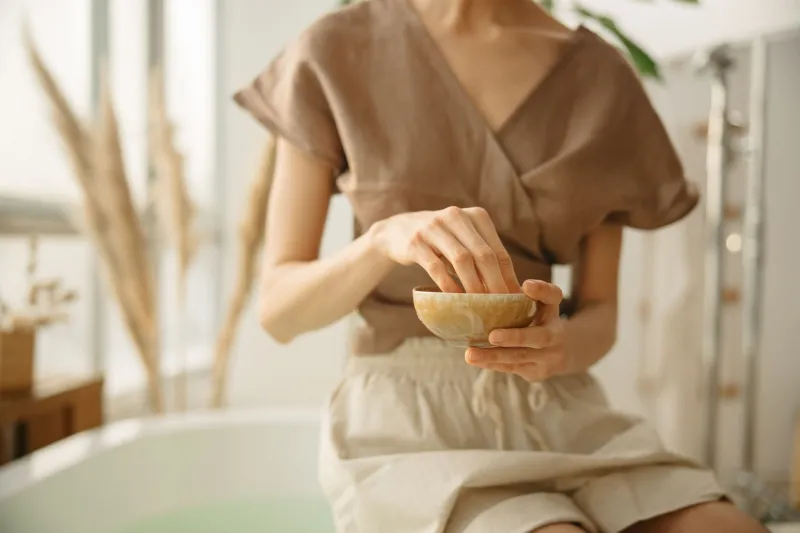
There is something almost old-fashioned about a herbal steam. A bowl on the kitchen table, a towel over the head, a few dried leaves floating about. It feels like the sort of thing a grandmother might prescribe alongside a hot drink and a early night. And in a stuffy week, when your nose has decided to close for refurbishment, that simple ritual can be genuinely comforting.
But comfort is not the same as cure. Herbal steams are a supportive home remedy, not a treatment for everything from hay fever to sinus infections. Used sensibly, they can help you feel clearer for a while. Used carelessly, they can scald skin or make breathing problems worse. So let us take the bowl seriously, without turning it into a medical procedure.
What a Steam Can Realistically Do
The main active ingredient in a herbal steam is not thyme, chamomile or eucalyptus. It is water vapour. Warm, moist air can help loosen thick mucus and soothe dry, irritated nasal passages. That is why a hot shower or a bowl of steaming water often feels helpful when you have a cold. The relief is usually temporary, but temporary relief is still relief.
The herbs add a pleasant scent and, in some cases, volatile oils that may feel clearing. Thyme contains thymol, which has been studied for antimicrobial activity in laboratory settings, but that does not mean a bowl of thyme steam will sterilise your sinuses. Chamomile is gentle and soothing, though its steam is more about comfort than congestion. Eucalyptus leaves contain eucalyptol, the compound behind that familiar camphor-like smell; it can feel bracing, but it is also a common irritant if you overdo it.
Evidence for herbal steams specifically is limited. Most of what we know comes from the general benefits of humidified air and from traditional use. That is not a reason to dismiss the practice, but it is a reason to keep expectations modest. If your nose is blocked because of a cold, steam may help you breathe more easily for a bit. If you have asthma, hay fever or a lingering sinus problem, steam is not a substitute for proper medical advice.
The Method: Simple, but Not Sloppy
A safe herbal steam is less about the recipe and more about the setup. You want warmth and moisture, not a face full of scalding air.
- Boil the kettle and let it sit for a few minutes. Water straight from a rolling boil is too hot.
- Pour the hot water into a sturdy heatproof bowl and place it on a stable surface, not on your lap and not near the edge of the table.
- Add a teaspoon or two of dried herb. Thyme, chamomile and eucalyptus leaf are the usual suspects. Give it a minute to steep and release its scent.
- Sit comfortably and drape a towel over your head and the bowl, leaving a gap at the side so you are not trapped in a hot tent.
- Keep your face roughly 20 to 30 centimetres from the water. Breathe normally through your nose if you can. If it feels too hot, stop.
- Five to ten minutes is plenty. You are not trying to poach yourself.
Afterwards, pat your face dry and avoid going straight out into cold air. Wash the bowl and towel as you would any kitchen item. Dried herbs can leave a residue, so a quick rinse is kind.
The Herbs Worth Keeping
You do not need a cupboard full of dried botanicals for this. A small, sensible trio will do.
Thyme is the traditional choice for stuffy chests and blocked noses. It has a warm, slightly medicinal scent and is easy to find in UK supermarkets. Chamomile is softer and more soothing, useful if you want a steam that feels calming rather than bracing. Eucalyptus leaf is the strongest of the three and the one most likely to irritate. Use it sparingly, especially if you are prone to sensitive skin or respiratory irritation.
Peppermint is another option, though it can feel sharp. Avoid essential oils in the bowl. A few drops of eucalyptus oil may smell wonderful, but they are concentrated and can irritate eyes and airways. Dried herbs are gentler and easier to judge. If you are using a teabag, one bag is usually enough; squeeze it lightly and let it steep.
Safety First, Always
This is the part that matters most. Herbal steams carry a real risk of burns, especially for children, older people and anyone with reduced sensation or mobility. Never leave a child unsupervised with a bowl of hot water. In fact, facial steams are generally not recommended for young children because they are unlikely to stay still and the burn risk is high. A warm bathroom with the shower running is a safer way to create steam for a child.
If you have asthma, ask your pharmacist or GP before trying a herbal steam. Strong smells, including eucalyptus, can trigger symptoms in some people. Keep your reliever inhaler nearby and stop immediately if you start coughing, wheezing or feeling tight-chested. The same goes for anyone with chronic lung conditions.
Do not use a steam if you have a fever, feel faint, or have any difficulty breathing at rest. And do not use it on broken or inflamed skin. If your blocked nose lasts more than a week or two, or comes with facial pain, a high temperature or blood-stained mucus, speak to a healthcare professional. In the UK, NHS 111 can advise if you are unsure.
The Takeaway
A herbal steam is a small, gentle ritual for a stuffy week. It will not cure a cold, clear a sinus infection or replace medical care. But the warmth, the moisture and the few quiet minutes with a towel over your head can make a blocked nose feel a little more bearable. Choose simple dried herbs, keep the water below scalding, and let the steam do most of the work. The plant is the supporting act, not the star.