The Soak Is the Thing: A Realistic Guide to Herbal Baths and Foot Soaks
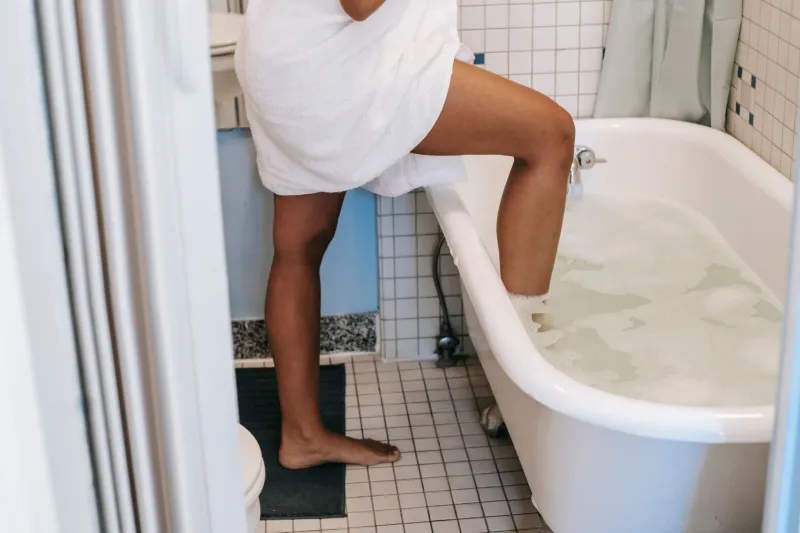
There is a particular kind of comfort in running a bath on a dark November evening. The windows steam up, the radiator ticks, and for twenty minutes the world becomes a smaller, warmer room. Adding a handful of herbs can make that ritual feel more deliberate — but it is worth being clear about what is actually happening. A bath is not a tincture. It is not a medicine measured by the drop. It is warm water, a bit of time, and perhaps a pleasant scent. That is not a small thing, but it is a modest one.
Warm water does most of the work
When you sink into a warm bath or put your feet in a basin, the main event is the water. Heat relaxes muscles, softens the outer layer of skin and encourages a feeling of calm. For everyday aches and stiffness, a warm soak can feel genuinely soothing. For dry skin, however, hot water can be a mixed blessing: it feels lovely, but it can strip oils and leave skin tighter afterwards. Lukewarm rather than hot is kinder, and a moisturiser applied within a few minutes of towelling off will do more for dryness than most bath additives.
Herbs and essential oils can add scent, colour and a sense of ritual. Some also contain compounds with mild soothing properties. But in a bath, they are heavily diluted, and the evidence for specific botanical bath claims is generally small and preliminary. That does not make the experience worthless. It simply means we should hold it lightly. A chamomile bath is not a sedative; it is a warm, fragrant pause that may help you feel more ready for rest.
Where botanicals fit — and where they don’t
Herbal baths are often marketed with words like detox, draw, purge and balance. Treat those with a raised eyebrow. Skin is a barrier, not a bin bag. Warm water and herbs do not pull toxins out of the body in any meaningful sense. If you want to support your body’s natural detox systems, the unglamorous basics — hydration, fibre, sleep and movement — are far more relevant.
Similarly, a foot soak will not cure a fungal infection, fix circulation or replace treatment for a medical condition. It can soften hard skin, ease tired feet and make you feel human again after a long day. If you have persistent foot pain, numbness, wounds or signs of infection, see a GP or podiatrist rather than soaking and hoping.
Where botanicals do earn their place is in the realm of comfort. A muslin bag of oats turns bathwater silky and can be soothing for itchy, dry skin. Chamomile tea bags — the ordinary supermarket sort — smell gentle and cost very little. A few drops of lavender essential oil, properly dispersed, can make a bath feel calmer. These are small pleasures, not prescriptions.
A sensible safety baseline
Before adding anything to the water, a few practical points are worth remembering, especially in a UK home where baths and showers are often shared and space is tight.
- Test the temperature. Warm, not hot. If you have reduced sensation in your feet — for example, because of diabetes or nerve damage — check the water with a thermometer or ask someone else to test it. Your feet may not feel heat accurately.
- Keep it short. Ten to twenty minutes is plenty. Longer soaks can leave skin wrinkled and dry.
- Patch-test new botanicals. If you are using a herb or essential oil for the first time, apply a small amount diluted in a carrier oil to your inner arm and wait 24 hours. Stop if there is redness, itching or irritation.
- Disperse essential oils. Never drop neat essential oil into a bath. Mix a few drops into a tablespoon of carrier oil, full-fat milk or unscented bath base first. Oils float and can irritate sensitive skin.
- Mind the slippery bits. Oil and herbal infusions can make a bath or floor slick. Clean the bath afterwards and use a non-slip mat.
- Keep it clean. Use a dedicated foot basin, rinse it well, and do not share it. Avoid soaking broken skin, cuts, rashes or infected areas.
- Check with a pharmacist or GP if you are pregnant, breastfeeding, on medication or managing a health condition. This is especially important for essential oils and for regular foot soaks if you have circulation problems.
- Keep herbs and oils away from children and pets. A bucket of warm water is also a drowning risk for small children, so never leave one unattended.
Three affordable winter soaks
You do not need a cupboard full of special ingredients. Supermarket tea bags, porridge oats and a few dried herbs are enough to make a pleasant soak. These combinations are simple, inexpensive and easy to adapt.
1. Oat and chamomile evening bath
Put a handful of rolled oats and two chamomile tea bags into a clean muslin square or a pair of old tights, tie it securely, and hold it under the warm tap as the bath fills. Squeeze it occasionally. The water turns milky and softly scented. This is a good option for dry or itchy winter skin, and the oats make the water feel silkier without much expense. Follow with a plain, fragrance-free moisturiser while your skin is still slightly damp.
2. Lavender and calendula foot soak
Fill a basin with warm water and add a teabag of chamomile or a spoonful of dried calendula petals, plus one drop of lavender essential oil mixed into a teaspoon of carrier oil. Soak your feet for ten to fifteen minutes, then dry them carefully, especially between the toes. Lavender is not a sleeping pill, but the scent and the pause can be a nice signal that the day is winding down. Calendula is a gentle, familiar botanical for everyday skin comfort.
3. Rosemary and peppermint tired-foot soak
For heavy, tired feet after a long walk or a day on your feet, try a small handful of dried rosemary and a few fresh or dried mint leaves in a basin of warm water. Rosemary and peppermint give a fresh, reviving scent. Keep the mint modest if your skin is sensitive, and skip this one if you have broken skin or a strong reaction to menthol. Dry your feet well afterwards and put on warm socks.
What not to expect
A herbal bath will not replace prescribed treatment, cure a skin condition or make up for a difficult week. It will not draw out impurities, fix poor circulation or guarantee sleep. What it can do is provide a warm, fragrant pause that helps you slow down. That is worth having — especially in the colder months, when the temptation to rush from central heating to cold air and back again is strong.
Think of herbal baths and foot soaks as gentle self-care rather than alternative medicine. Choose botanicals you like the smell of, keep the water comfortably warm, moisturise afterwards, and let the ritual be enough. The soak is the thing. The herbs are there to make it pleasant.