Warm Cloth, Cool Head: Herbal Compresses for Winter Without the Hype

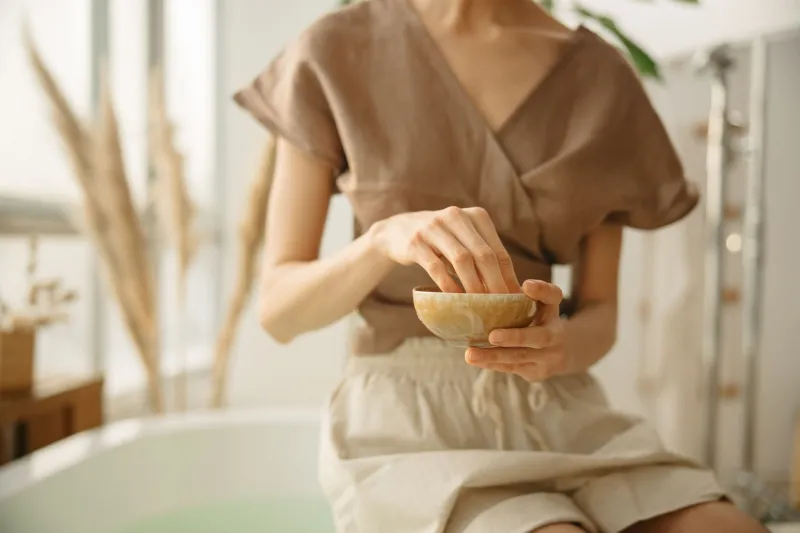
Photo: warm herbal compress cloth bowl dried chamomile kitchen UK, via skeuoss.net
A small ritual, not a miracle
There is something deeply reassuring about a warm cloth. It is the sort of thing many of us reach for without thinking: a flannel over a stiff neck, a warm towel after a chilly walk, a bit of quiet while the kettle cools. A herbal compress sits in that same ordinary territory. It is cloth, warm water, a little plant material and a few minutes of stillness.
At Botanical Healing, we like that simplicity. We also like being clear about what a compress can and cannot do. It is not a treatment for infection, a substitute for medical advice, or a way to push through symptoms that need attention. It is a comfort measure — a gentle, sensory pause that may help you feel soothed. That is a modest aim, and a perfectly good one.
What a compress actually is
A compress is a cloth that has been wrung out in a warm herbal infusion and applied to the skin. It is different from a poultice, where plant material is often placed directly against the skin, and different again from a heat pack. The cloth is the vehicle: it holds warmth and a little botanical aroma close to the body for a short time.
Traditionally, compresses have been used for all sorts of everyday complaints — aches, stiffness, tired eyes, period discomfort, cold-season congestion. Modern evidence for specific herbs in this format is limited. Warmth itself can feel soothing, and a quiet pause can be genuinely useful, but we should not dress that up as a cure. Think of a compress as comfort with a bit of plant tradition folded in.
Making one with ordinary kitchen kit
You do not need special equipment. A clean cotton flannel, muslin square or tea towel is ideal. Avoid synthetic fabrics that do not hold water well or feel scratchy. You will also want a bowl, a kettle, a spoon and a dry towel to lay over the compress.
A simple method:
- Add one to two teaspoons of dried herb, or one herbal teabag, to about 300ml of just-boiled water.
- Cover the bowl and leave it to steep for around ten minutes.
- Strain the infusion if you are using loose herb, or remove the teabag.
- Let it cool until it is comfortably warm — not hot. Test it on your inner wrist first.
- Dip the cloth, wring it out so it is damp rather than dripping, and lay it on the skin.
- Cover with a dry towel and rest for ten to fifteen minutes.
- Remove the cloth, pat the skin dry and let the area breathe.
Use a fresh infusion each time. Do not store a damp herbal cloth for later, and wash the cloth properly after use. If you would not drink the infusion, do not put it on your skin.
Gentle botanicals worth trying
Keep it simple. A single herb is easier to troubleshoot than a blend of six, especially if your skin is sensitive.
Chamomile is a familiar, softly aromatic choice. It is often used in traditional warm compresses, and chamomile teabags are easy to find in UK supermarkets. Anyone with a known allergy to plants in the daisy family should avoid it.
Calendula is another traditional skin herb, often used in balms and compresses. It is not a treatment for broken skin or infection, but a mild calendula infusion can feel pleasant on intact skin.
Lavender is best used sparingly as a dried herb in the infusion, not as a neat essential oil. Essential oils are far more concentrated and can irritate skin, especially when warmed. A little dried lavender in the bowl is gentler and easier to judge.
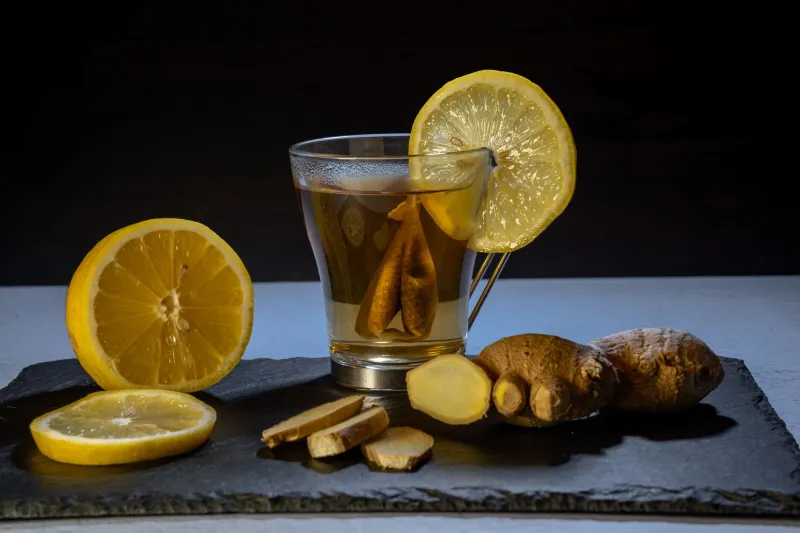
Ginger can make a warming compress for cold hands or a stiff back, but it can also tingle or sting. Use a small amount, test the temperature carefully, and stop if the skin feels hot or irritated.
Temperature, patches and common sense
Warmth should feel pleasant, not fierce. Never pour boiling water onto a cloth and apply it straight away. Let the infusion cool, wring the cloth well, and test it on your inner wrist or the inside of your forearm before it goes anywhere else. If you need to hold the cloth under running water to cool it, do that.
Do a patch test first if you are trying a herb for the first time: apply a small, cooled cloth to a small area of skin and wait 24 hours. If there is redness, itching or swelling, do not use it again. Avoid compresses on broken skin, rashes, burns, open wounds or areas where you cannot feel temperature properly. People with diabetes, circulation problems or nerve damage should be especially cautious with heat, and parents should supervise children closely. If you are pregnant or breastfeeding, ask a pharmacist or GP before using herbs you are unsure about.
Do not fall asleep with a warm compress on, and do not reheat a cloth repeatedly for hours. Ten to fifteen minutes is usually plenty.
When to skip the cloth
A compress is not appropriate for everything. Seek medical advice if you have signs of infection — spreading redness, heat, swelling, pus or feeling generally unwell — or if you have a fever, chest pain, breathlessness, severe pain, a suspected blood clot, or unexplained swelling. Do not use a warm compress on a new injury where cooling is advised, or on skin that is numb, fragile or already irritated. If a compress makes your skin red and it stays red, stop and seek advice. In the UK, NHS 111 can help you work out what to do next when something does not feel right.
The quiet part matters
A compress is not just about the herb. It is about stopping for a few minutes, feeling the warmth of the cloth, and letting your shoulders drop. Set a timer, make a cup of tea, and treat it as a small pause rather than a task to complete. That is the part we can feel confident about: a warm cloth, a quiet room and a sensible head.